




Emotionally Intelligent Communication Transforms the Customer Service Experience
Customer service isn’t just about fixing problems—it’s about creating meaningful interactions that build trust and loyalty. Emotionally intelligent communication allows service professionals to connect with customers on a deeper level, leading to higher satisfaction and long-term brand engagement.
By mastering active listening, empathy, and relationship management, customer service teams can turn difficult conversations into opportunities for brand advocacy. Research shows that companies with emotionally intelligent customer service teams see a 20% increase in customer satisfaction and loyalty.
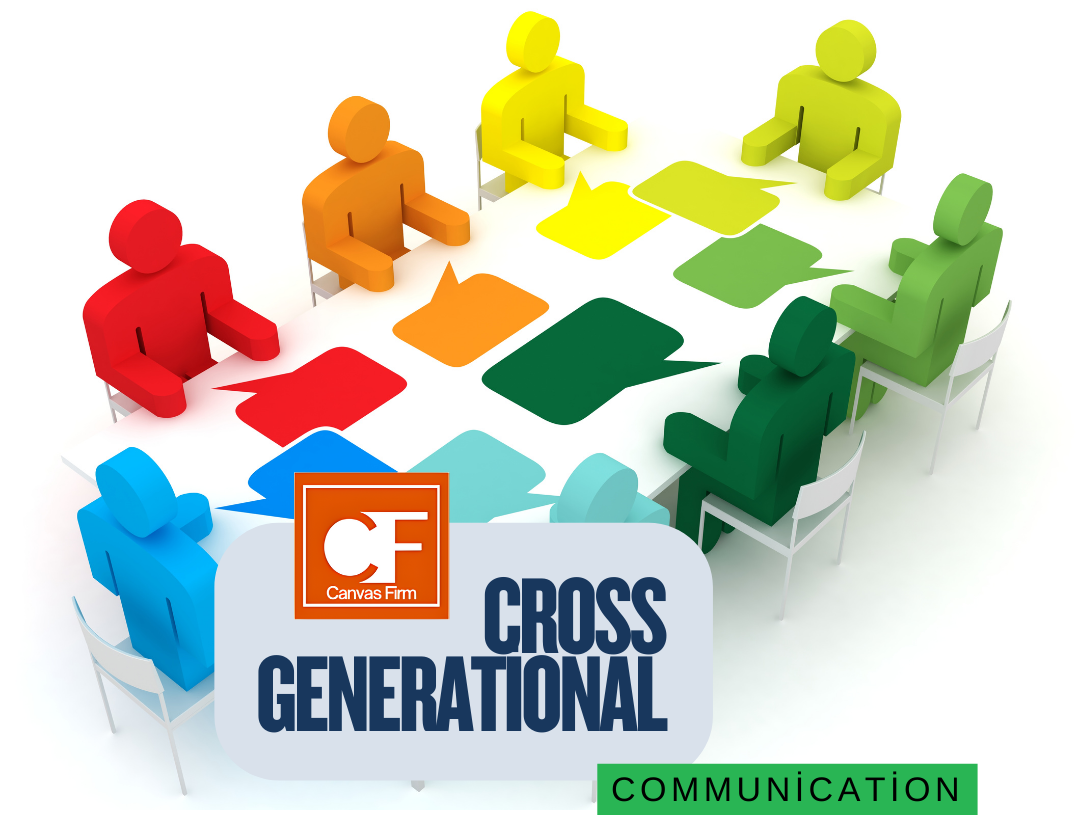
Bridging the Communication Gap Across Generations
In today’s classrooms, professors and students often experience a disconnect in communication styles that goes beyond just age differences. With Baby Boomers and Gen X leading many institutions and Millennials and Gen Z filling the student seats, generational differences shape expectations, learning preferences, and interaction styles in profound ways.
While older generations may value face-to-face discussions and structured communication, younger students often prefer quick digital interactions, real-time feedback, and a collaborative learning environment. Research from Pew Research Center highlights that Gen Z students thrive in tech-integrated classrooms, but they also crave personalized mentorship and engagement from their professors.
Bridging this gap requires adaptability, empathy, and a shift in teaching methods. By incorporating interactive tools, flexible communication strategies, and a balance of traditional and digital engagement, educators can create an inclusive environment that fosters deeper learning, mutual respect, and stronger student engagement.
💡 Want to foster better connections in your classroom? Start by understanding your students' preferred communication styles and integrating strategies that encourage open dialogue across generations.

Leadership and Emotional Intelligence: A Synergy for Transformational Impact
In today's fast-paced and ever-evolving business landscape, effective leadership goes beyond technical skills and strategic decision-making—it requires emotional intelligence (EQ). Leadership and Emotional Intelligence: A Synergy for Transformational Impact explores how EQ serves as the cornerstone of transformational leadership, enabling leaders to inspire, connect, and drive meaningful change.
5-Minute Emotional Intelligence Check-In
This 5-Minute Emotional Check-In is a practical tool for leaders to enhance their emotional intelligence and self-awareness in just a few minutes each day. It provides a structured process for checking in with emotions, setting intentional leadership goals, and taking meaningful action.

Mastering Executive Presence in 60 Seconds: A Practical Guide
Executive presence is the "it factor" that distinguishes great leaders. It’s not just about looking the part; it’s about commanding attention, influencing effectively, and exuding confidence in every interaction. But can it really be mastered in just 60 seconds? Absolutely—if you focus on key micro-behaviors that instantly elevate your presence.
The 60-Second Executive Presence Formula provides a quick, actionable approach to project executive presence in any situation. Start by standing tall and owning the space, ensuring an open posture, planted feet, and controlled gestures to convey stability and confidence. Next, control your voice and pace by speaking slowly, using intentional pauses, and lowering your pitch slightly to exude authority. Strong eye contact is crucial—engage with your audience, maintain focus for a few seconds at a time, and avoid darting eyes that signal nervousness.
Speaking with clarity and purpose is another essential element of executive presence. Leaders don’t ramble; they get to the point using structured sentences, decisive language, and eliminating filler words like "um" and "you know." Equally important is projecting confidence through active listening. Show presence by nodding slightly, paraphrasing key points, and leaning in to demonstrate engagement.
To put these strategies into practice, take the 60-Second Challenge: record yourself introducing an idea in under a minute, assess your posture, tone, eye contact, and clarity, then refine and repeat until you project maximum confidence. Mastering executive presence doesn’t require years of practice—it starts with small, intentional actions. Apply this formula before your next meeting or presentation, and watch your influence soar.

Mastering the Four Types of Communication to Navigate Complex Conversations
Effective communication is the foundation of strong relationships, successful teamwork, and productive workplace interactions. Whether navigating conflict, leading a team, or presenting complex ideas, understanding the four key types of communication—verbal, non-verbal, written, and visual—is essential. Each type serves a unique purpose, from spoken conversations that build connections to non-verbal cues that reinforce trust, written communication that provides clarity, and visual elements that enhance understanding. By learning to use these communication styles strategically, professionals can foster better collaboration, reduce misunderstandings, and confidently manage even the most challenging conversations. This guide explores how to leverage these communication types effectively to create meaningful dialogue and drive impactful results.