

Emotionally Intelligent Communication Transforms the Customer Service Experience
Customer service isn’t just about fixing problems—it’s about creating meaningful interactions that build trust and loyalty. Emotionally intelligent communication allows service professionals to connect with customers on a deeper level, leading to higher satisfaction and long-term brand engagement.
By mastering active listening, empathy, and relationship management, customer service teams can turn difficult conversations into opportunities for brand advocacy. Research shows that companies with emotionally intelligent customer service teams see a 20% increase in customer satisfaction and loyalty.
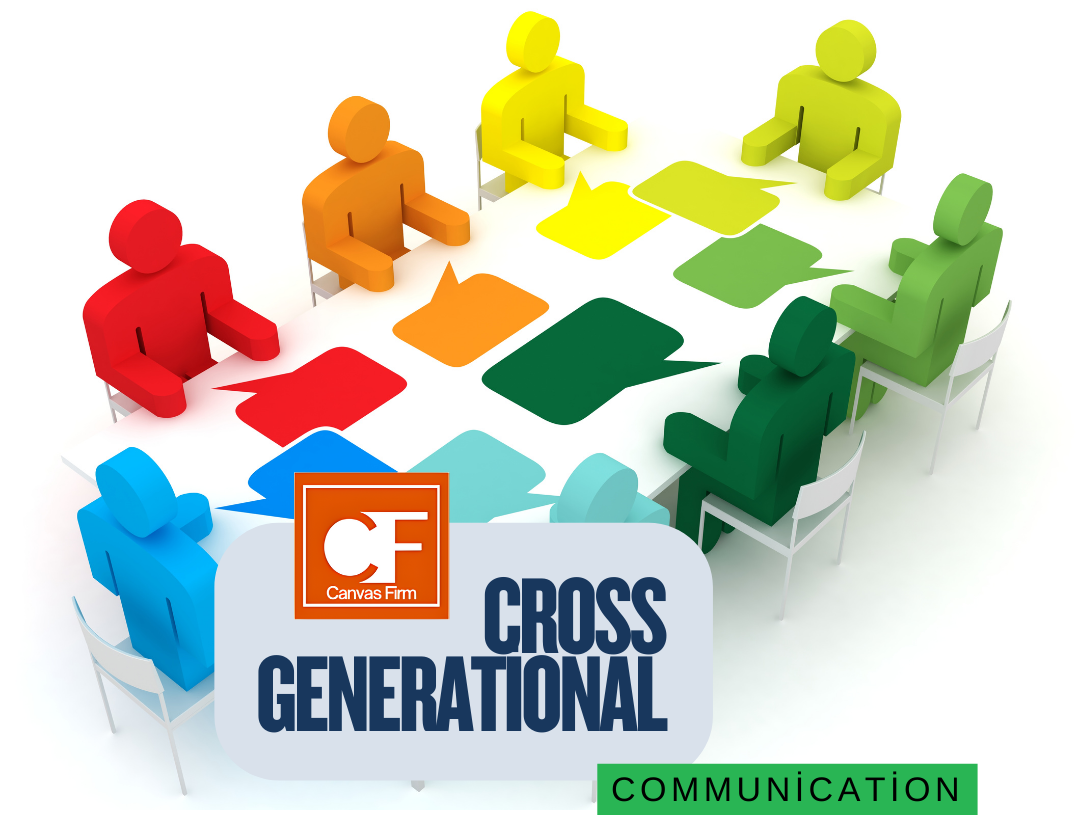
Bridging the Communication Gap Across Generations
In today’s classrooms, professors and students often experience a disconnect in communication styles that goes beyond just age differences. With Baby Boomers and Gen X leading many institutions and Millennials and Gen Z filling the student seats, generational differences shape expectations, learning preferences, and interaction styles in profound ways.
While older generations may value face-to-face discussions and structured communication, younger students often prefer quick digital interactions, real-time feedback, and a collaborative learning environment. Research from Pew Research Center highlights that Gen Z students thrive in tech-integrated classrooms, but they also crave personalized mentorship and engagement from their professors.
Bridging this gap requires adaptability, empathy, and a shift in teaching methods. By incorporating interactive tools, flexible communication strategies, and a balance of traditional and digital engagement, educators can create an inclusive environment that fosters deeper learning, mutual respect, and stronger student engagement.
💡 Want to foster better connections in your classroom? Start by understanding your students' preferred communication styles and integrating strategies that encourage open dialogue across generations.

Mastering the Four Types of Communication to Navigate Complex Conversations
Effective communication is the foundation of strong relationships, successful teamwork, and productive workplace interactions. Whether navigating conflict, leading a team, or presenting complex ideas, understanding the four key types of communication—verbal, non-verbal, written, and visual—is essential. Each type serves a unique purpose, from spoken conversations that build connections to non-verbal cues that reinforce trust, written communication that provides clarity, and visual elements that enhance understanding. By learning to use these communication styles strategically, professionals can foster better collaboration, reduce misunderstandings, and confidently manage even the most challenging conversations. This guide explores how to leverage these communication types effectively to create meaningful dialogue and drive impactful results.